Train to guide awareness into lived change.
Embodied Pathway trains coaches in two programs: Integration Coaching, which helps clients live what they have already seen, and Transformation Coaching, which works with what has not yet surfaced.
Integration Coaching
Learn the six-part Embodied Integration Session — presence, somatic awareness, and the small practices that turn insight into how someone actually lives.
Transformation Coaching
Learn Root Level Change — guided subconscious access, the twelve-part container, and the doors that open once a client is safely at depth.
The bridge between insight and how someone actually lives.
Most personal growth ends at the moment of insight. The realization feels powerful, then everyday life resumes — and the change quietly fades.
An Integration Coach helps clients stay with what they've noticed long enough for it to become embodied. Not through pressure or technique, but through presence, somatic awareness, and small, disciplined practices that turn awareness into a way of being.
It is some of the most humble and important work a coach can do.
Five principles that shape every session.
Inner Safety First
Change occurs when the nervous system feels safe enough to stay present with experience.
Awareness Before Change
Clients are invited to notice what is already present. Awareness creates the conditions for change to unfold.
The Body as Information
Somatic awareness reveals signals from the nervous system that thinking alone cannot reach.
Client Sovereignty
The client remains the authority on their own experience. Coaches guide — they never impose meaning.
Integration as the Bridge
Insight rarely creates lasting change on its own. Integration is what makes awareness lived.
Three stages of becoming.
Embodied Pathway certification unfolds across three progressive stages. Integration is where the pathway begins; Transformation is where it deepens.
Integration Coach
Helping clients embody awareness and stabilize meaningful change.
Transformation Coach
Root Level Change — working with deeper somatic and subconscious patterns, held with safety and pacing.
Conscious Design Coach
Mastery-level work supporting clients to consciously create their future.
A rhythm built for real coaching skill.
Trainees learn through observation, repetition, and real client experience — bi-weekly live training, breakout practice labs, and alpha client sessions. The program is fully online.
See the full programI am seeing the change, feeling the change and clearly projecting it in a way that others recognize. The results are speaking for themselves.
Led by experienced facilitators.

Julie Peterson is a co-founder of the Embodied Pathway methodology, a transformation coach and mentor who helps people access what they can't yet see — within themselves and the patterns shaping their lives. She blends grounded coaching with somatic and energetic awareness, guiding clients beyond surface-level work into real, embodied transformation. Her approach opens up direct access to the subconscious, where lasting change happens.
Julie creates a space where clarity, truth, and self-trust emerge naturally. Her work is both practical and profound — rooted in emotional intelligence, nervous system awareness, and deep integration. For many, working with Julie becomes a turning point — not because she gives answers, but because she shows you how to access your own.
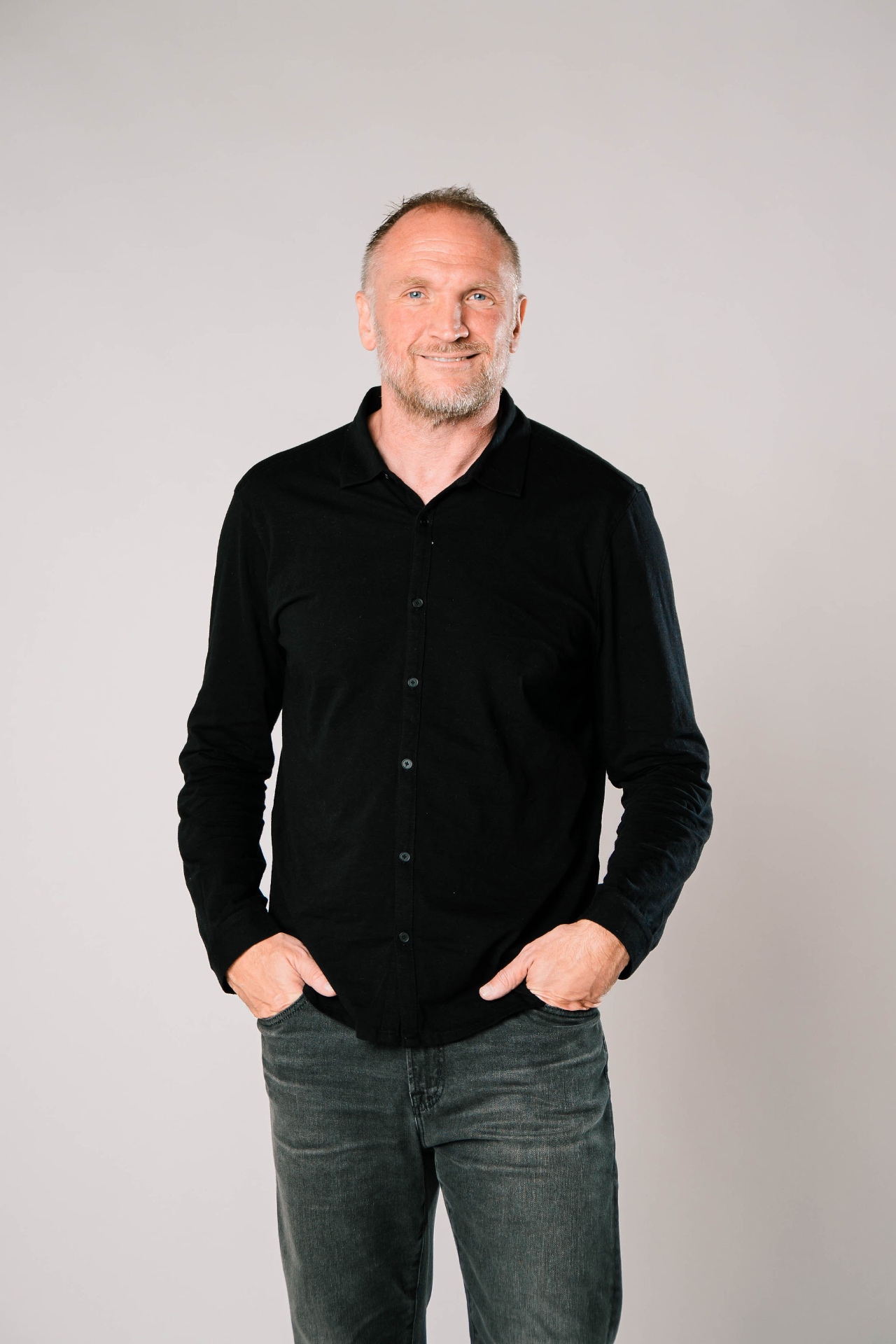
Jeremy Cameron is a co-founder of the Embodied Pathway methodology, a coach and training steward who supports people in meeting what is present and working with the deeper patterns shaping their inner and outer lives. His work is grounded in awareness, inner safety, and the body as a source of truth, guiding clients beyond surface-level insight into change that can be felt, lived, and sustained. Through a steady, present approach, he helps create the conditions where transformation unfolds naturally, without force or performance.
He brings a strong focus on ethical stewardship and the integrity of the work, particularly in the training of coaches. Jeremy guides practitioners to develop real capacity in holding space—prioritizing safety, consent, and pacing while working with the complexity of human experience. His approach emphasizes that lasting change does not come from doing more, but from staying with what is real, allowing awareness and alignment to take root over time.
Train to guide awareness into lived change.
Applications for the next cohort are open. We read every one personally.
Apply for the next cohort